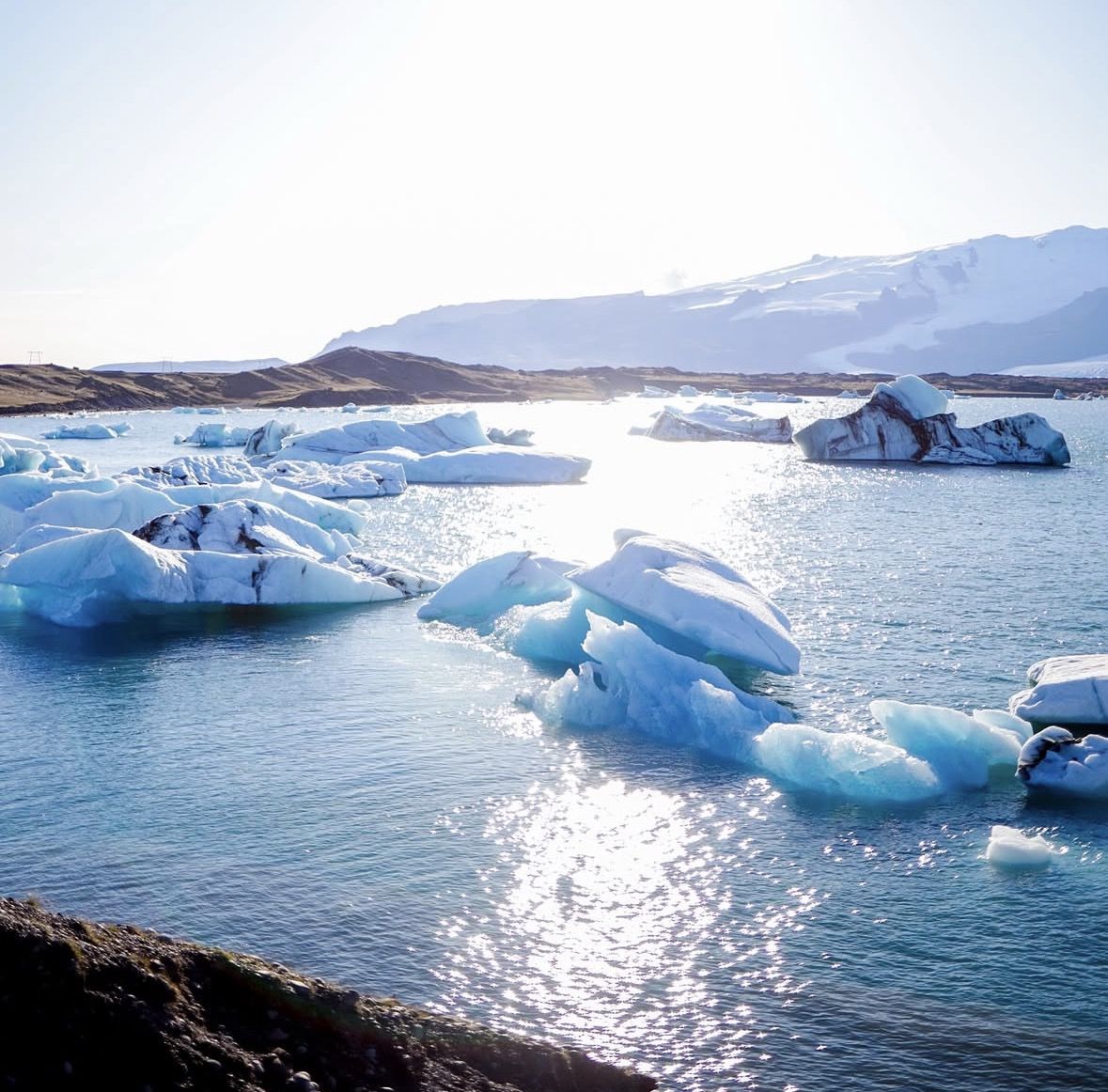
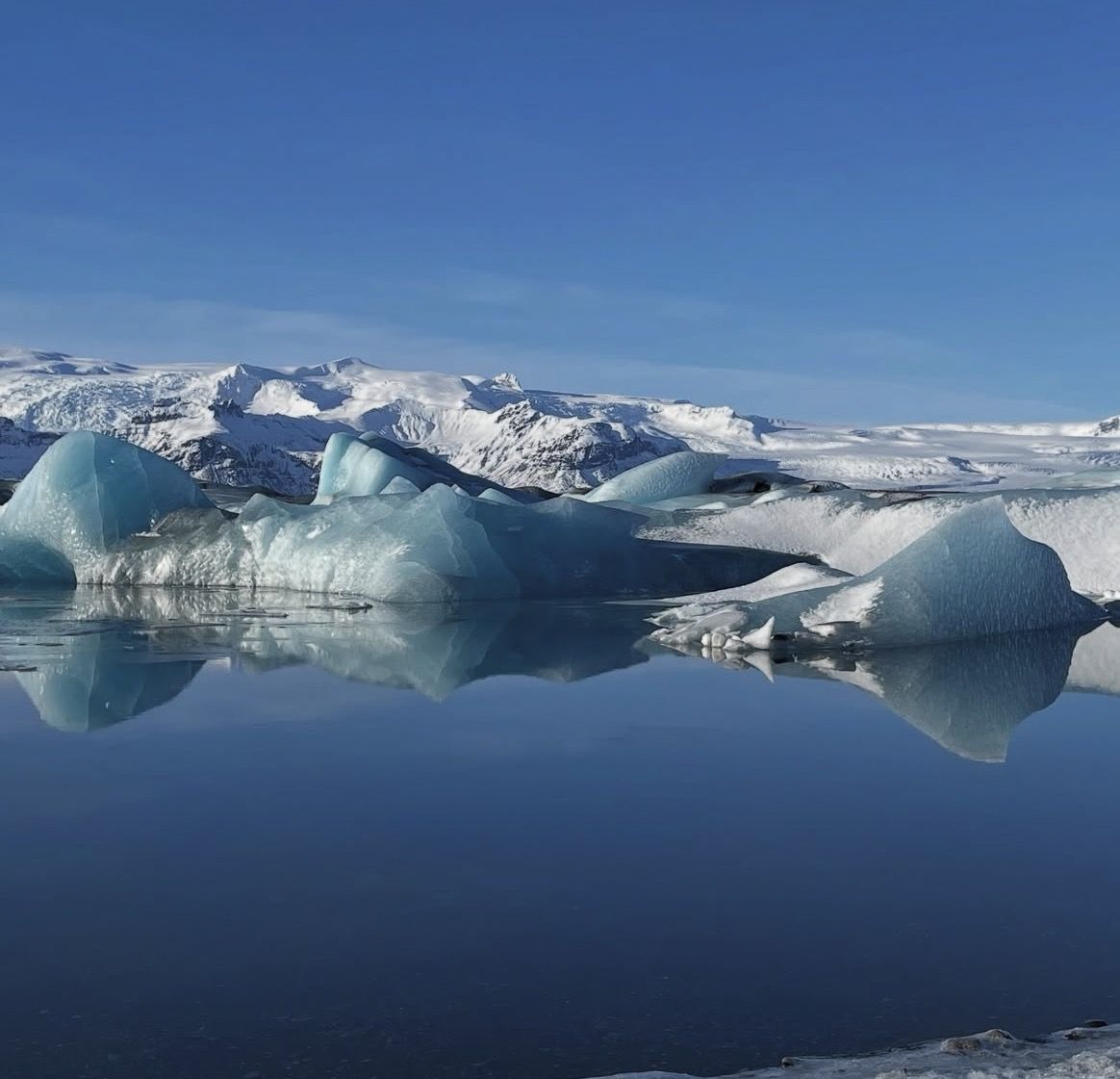
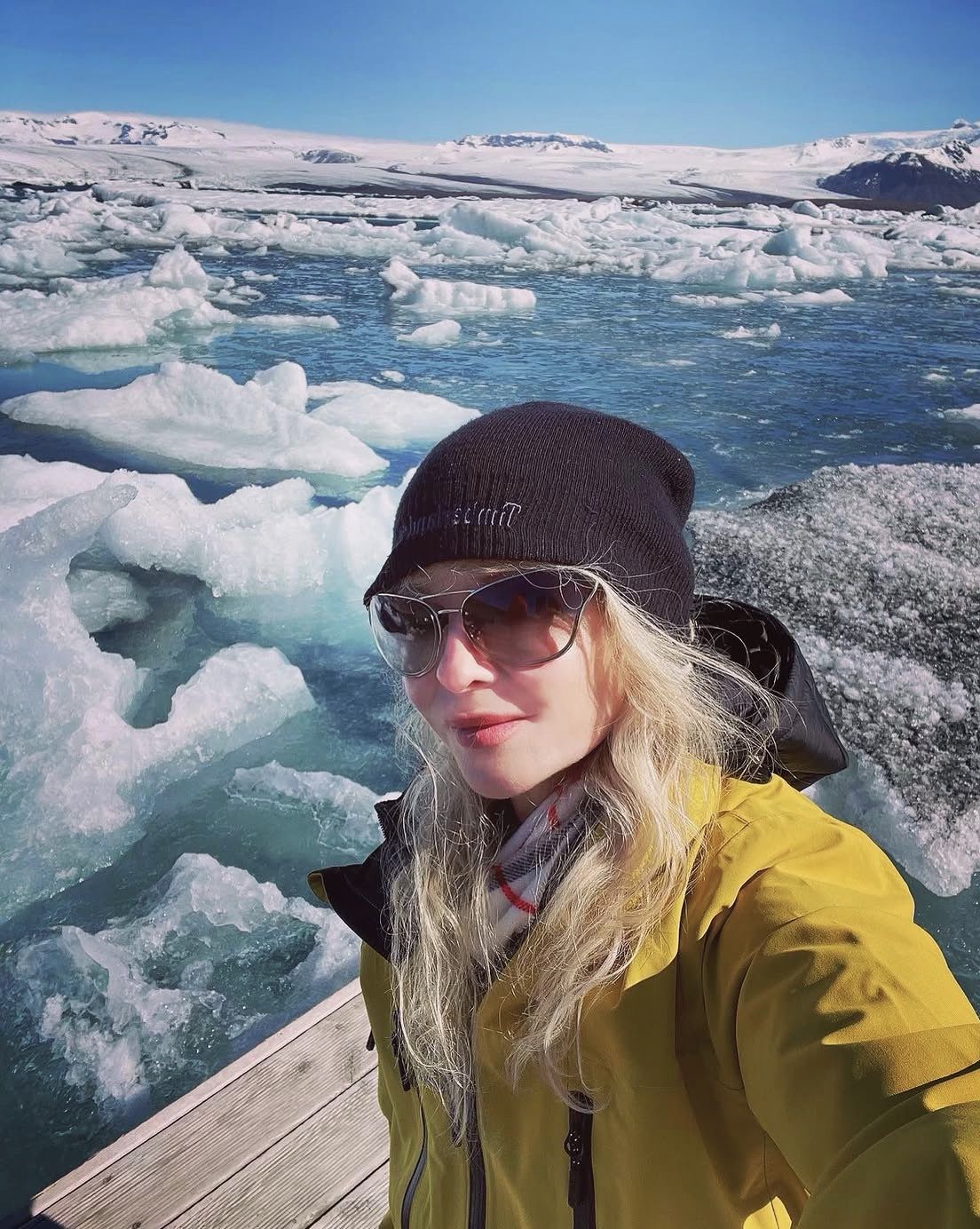
Few places on Earth stop you in your tracks the way this vast lagoon of drifting, ancient icebergs does. Whether you arrive in midsummer's endless light or winter's aurora-lit darkness, the experience is nothing short of otherworldly.
Featured Tour
The Reykjavik: Glacier Lagoon Boat Ride & South Coast Full Day Tour packs Iceland's most breathtaking scenery into a single, expertly guided adventure. Departing Reykjavík in the morning, you'll journey along the dramatic South Coast, pausing at thundering waterfalls, the black-sand shores of Vík, and the iconic Reynisdrangar sea stacks. The undeniable highlight is gliding across Jökulsárlón Glacier Lagoon aboard an amphibious vessel, weaving between luminous blue icebergs calved from the Vatnajökull ice cap. Afterwards, stroll Diamond Beach, where glacial ice jewels sparkle against volcanic black sand. Round-trip transport from Reykjavík is included, making this the most complete way to experience Iceland's southern wonders without the stress of self-driving unfamiliar roads.
About the Destination
Tucked into Iceland's remote southeast, this legendary lagoon sits right on the Ring Road — dramatic, accessible, and endlessly photogenic. Understanding where it sits helps you plan the perfect itinerary around it.
Jökulsárlón Glacier Lagoon lies in Southeast Iceland, roughly 236 miles (380 km) east of Reykjavík within the boundaries of Vatnajökull National Park, Europe's largest national park. It borders the Breiðamerkurjökull glacier — an outlet of the colossal Vatnajökull ice cap — and its icebergs float slowly south before drifting into the North Atlantic. The lagoon sits directly beside Route 1, Iceland's Ring Road, making it a natural anchor point for anyone on a multi-day drive around the island.
The lagoon's story began in the early 20th century when warming temperatures caused Breiðamerkurjökull to retreat from the ocean. By the 1930s a small lake had formed; today it covers roughly 11.2 square miles (18 sq km) and reaches depths of up to 932 feet (284 m), making it the deepest lake in Iceland. That rapid expansion is a vivid marker of climate change, and scientists have tracked its growth closely since the 1970s. The icebergs floating across it are often more than 1,000 years old — ancient ice calved fresh each day.
Visitors typically spend two to four hours here, though many find it impossible to leave. The boat tours alone last 30–40 minutes, and Diamond Beach — just across the road where the lagoon meets the sea — demands its own unhurried exploration. Seals frequently haul out on icebergs within arm's reach of the shoreline, while Arctic terns dive overhead. At sunrise or sunset, the shifting colours of ice and sky create photography conditions that professional shooters travel continents to capture.
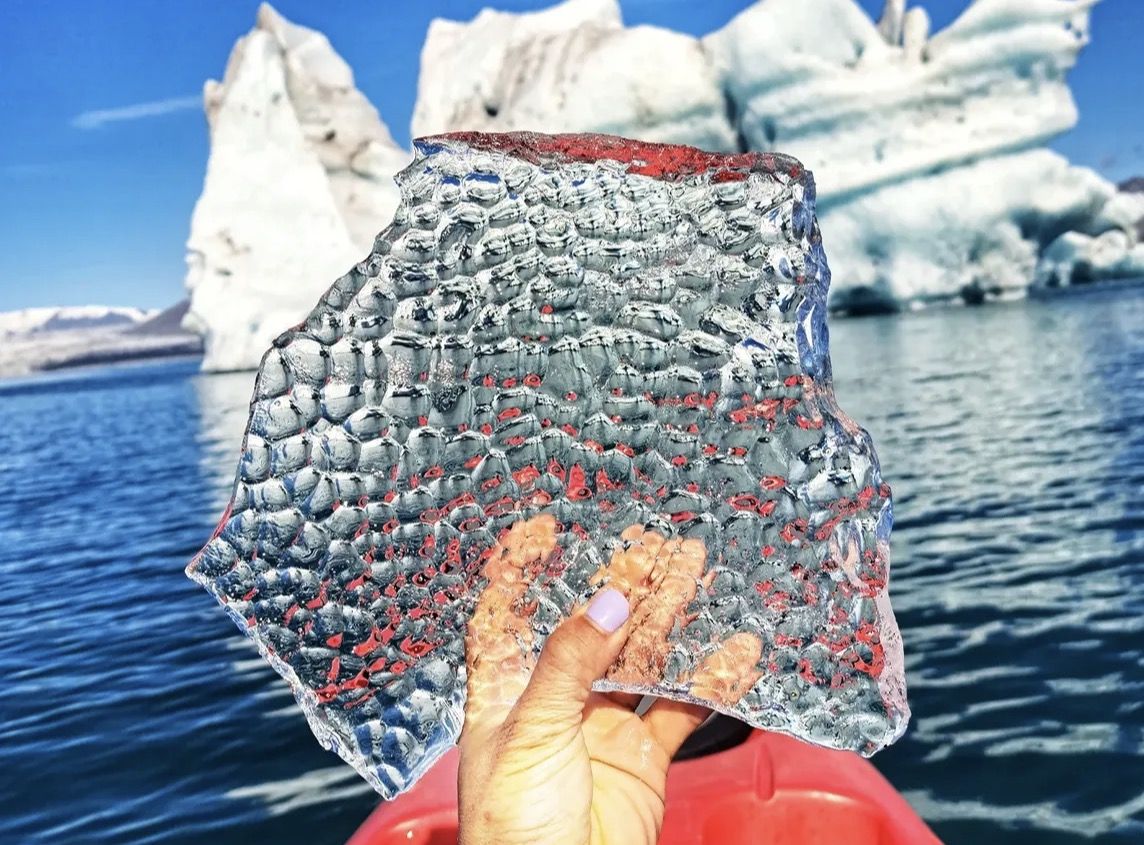
The icebergs floating across the lagoon are calved from glacier ice that is over a millennium old. Each berg contains air bubbles and sediment layers that tell a story of Iceland's climatic past. Their vivid blue hue comes from the extreme density of ancient, bubble-free ice.
At up to 284 metres deep, the lagoon is the deepest lake in Iceland — a fact that surprises many first-time visitors expecting a shallow coastal pool. Its depth is a direct result of the glacier's erosive power over thousands of years. The cold, fresh meltwater sits above a layer of denser saltwater that seeps in from the sea.
The lagoon has quadrupled in size since the 1970s due to accelerating glacial melt, and scientists expect it to continue expanding. What was once a narrow glacial tongue is now a vast open waterway. This dynamic landscape means every visit looks subtly different from the last.
The lagoon has starred in several James Bond films, Batman Begins, and numerous high-profile TV commercials. Its otherworldly scenery made it a natural stand-in for alien planets and Arctic wildernesses. The international exposure helped spark Iceland's tourism boom in the 2010s.
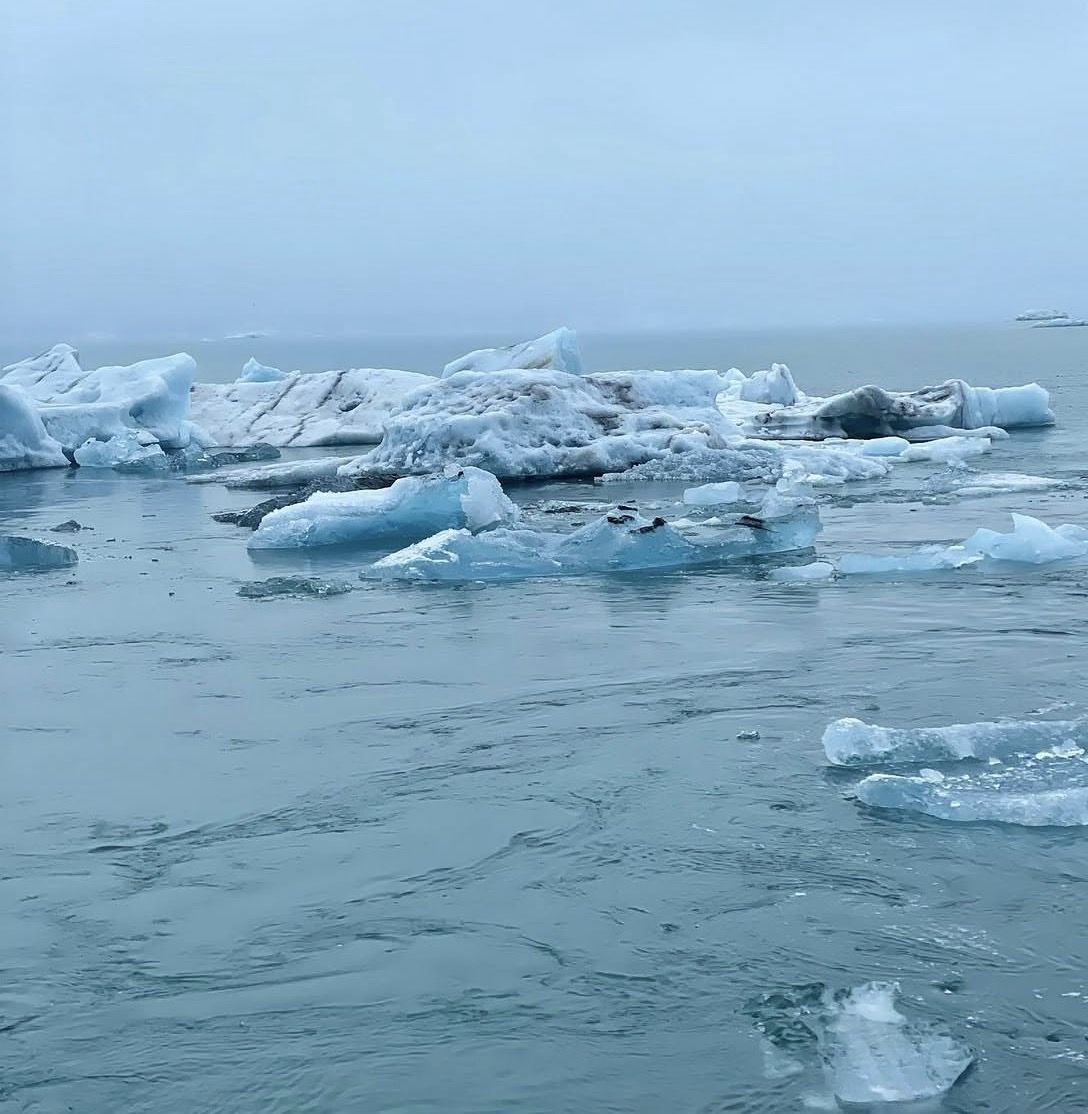
A healthy colony of harbour seals and grey seals uses the lagoon as a year-round feeding and resting ground. They are remarkably unperturbed by visitors and can often be spotted draped across drifting icebergs just metres from shore. Their presence adds a lively, unpredictable dimension to any visit.
Unlike some of Iceland's more remote natural wonders, the lagoon is accessible throughout the entire year via the paved Ring Road. Boat tours run from roughly May through October, while winter opens up ice cave excursions and Northern Lights viewing. There is no entry fee to visit the shoreline itself.
Climbing aboard an amphibian vessel or a nimble Zodiac inflatable is the classic way to get up close to the icebergs. Guides navigate between towering blue walls of ice, explaining how each berg calved and how to read its age from colour and texture. Tours run May through October and last approximately 30–40 minutes.
A jokulsarlon glacier lagoon ice cave tour takes you inside Vatnajökull glacier to marvel at tunnels of electric-blue and turquoise ice. These caves are only safely accessible between November and March, when cold temperatures stabilise the ice. Small-group tours depart from nearby Jökulsárlón and are led by certified glacier guides.
The jokulsarlon glacier lagoon northern lights experience is considered one of Iceland's finest, as the still water perfectly mirrors the dancing aurora. Clear, dark nights between September and April offer the best odds, and the lack of light pollution this far from the city makes colours vivid. Many winter tour operators include a lagoon stop specifically for aurora photography.
Jokulsarlon glacier lagoon kayaking offers an intimate, silent alternative to motorised boat tours, letting you paddle at your own pace through channels of glassy water flanked by glowing ice. Guided kayak experiences run in summer and are suitable for beginners with a spirit of adventure. Dry suits and full safety briefings are always provided.
A jokulsarlon glacier lagoon hike onto the edge of Breiðamerkurjökull offers a boots-on-ice perspective that no boat can match. Crampons, ice axes, and certified guides are mandatory for safety, but the reward is extraordinary — crevasses, ice ridges, and panoramic views over the lagoon below. Half-day and full-day hike options are available from nearby operators.
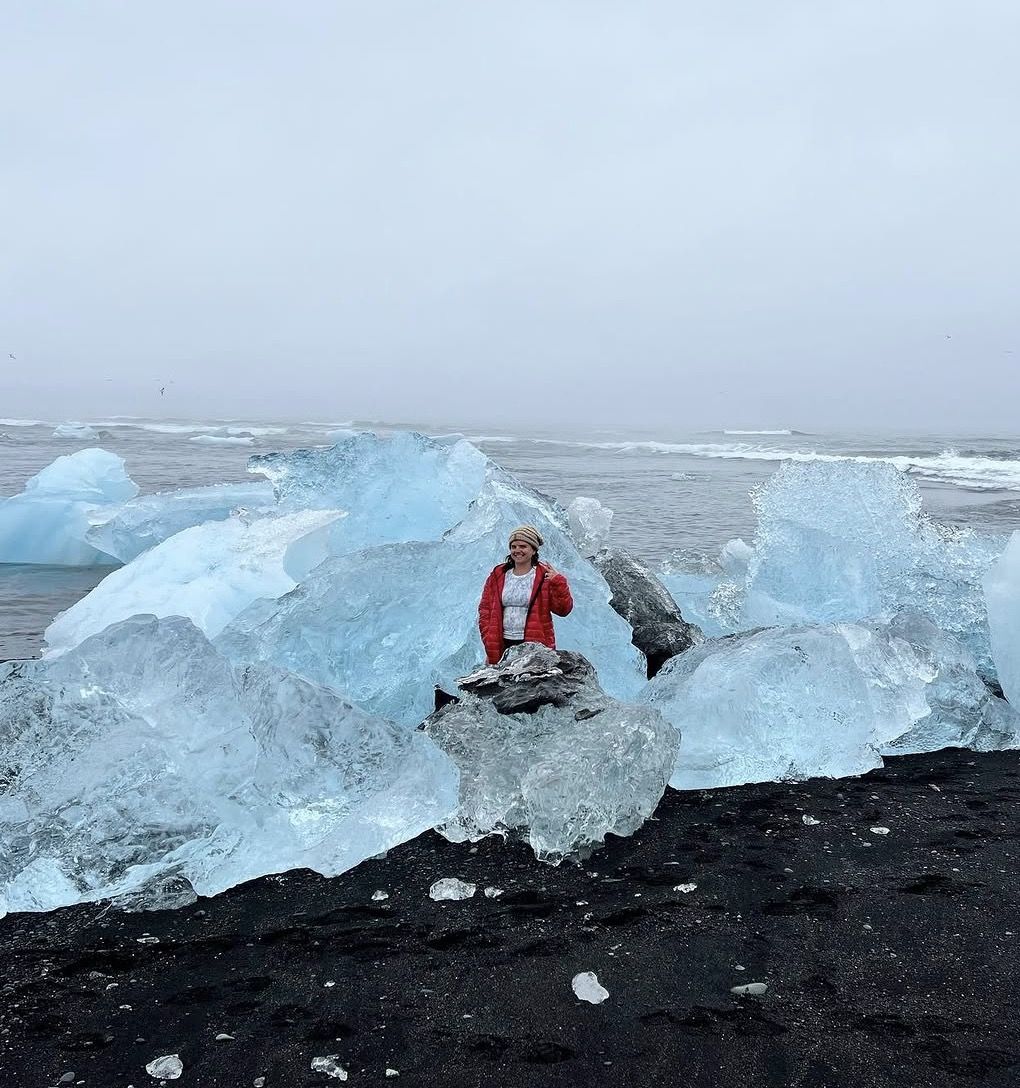
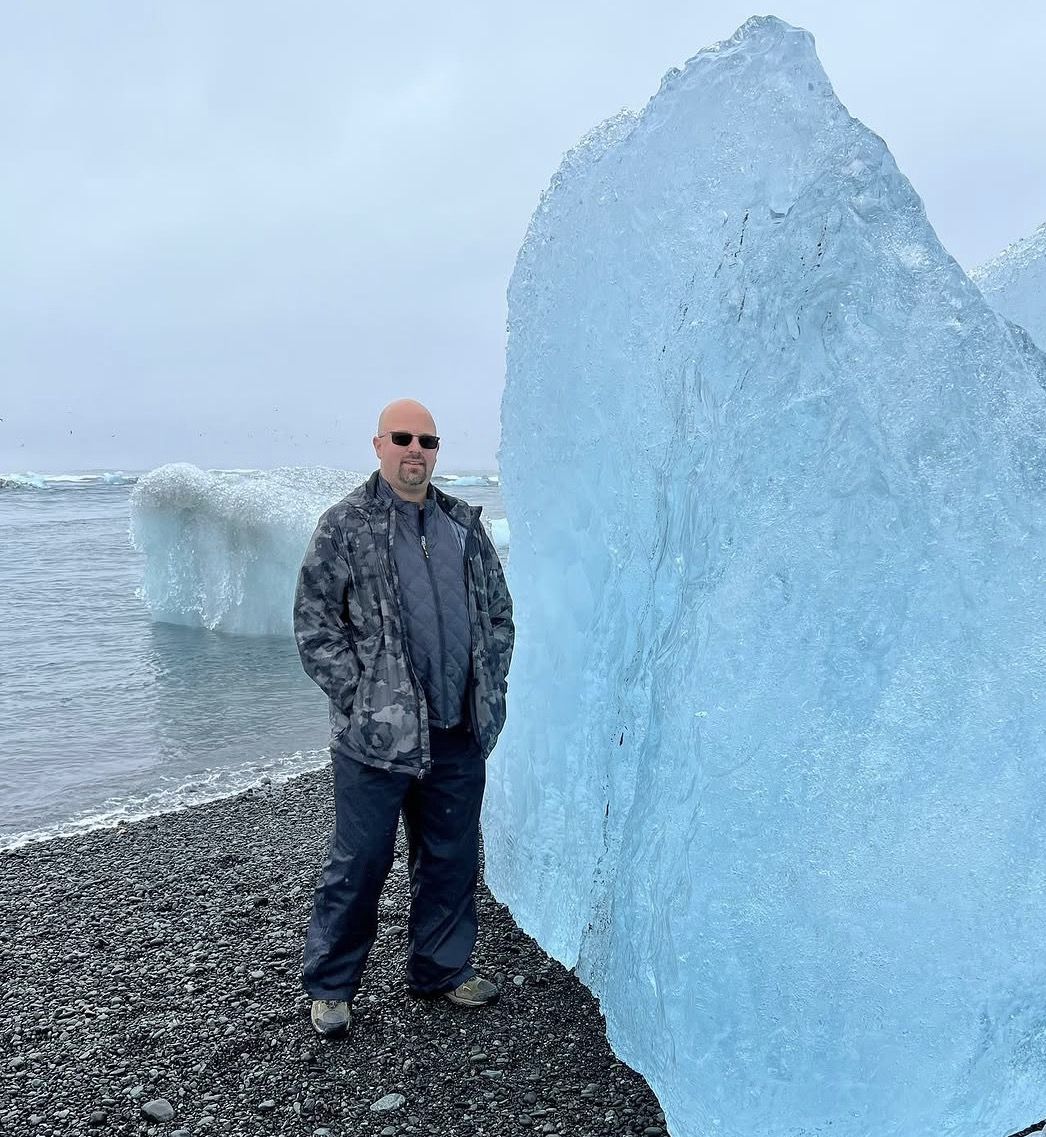
Just a short walk across the road, Diamond Beach is where icebergs that have floated through the lagoon wash ashore on jet-black volcanic sand, sparkling like scattered gemstones. Golden-hour light here is nothing short of magical, and the contrast of white ice on dark sand creates images that require almost no editing. Arrive early or late in the day to avoid crowds and catch the best light.
Weighing up the world's great glacial and iceberg destinations to help you decide where to go.
Planning a bucket-list glacial trip means choosing between some of the planet's most spectacular icy landscapes, each with its own character, accessibility, and price point. Jökulsárlón Glacier Lagoon sits in a unique position: easier to reach than Antarctica, more dramatic than most Alpine lake districts, and far less crowded than Patagonia's peak-season hotspots. This comparison table lays out how it stacks up against three other world-class destinations so you can make the choice that best suits your travel style and budget.
| Crowds | Price | Best For | What Sets It Apart | |
|---|---|---|---|---|
| ★ Jökulsárlón Glacier Lagoon | Moderate — shoulder seasons are quiet | Mid-range; free entry, paid tours from ~€50 | Icebergs, ice caves, aurora, photography | Drive-up access, seals, Diamond Beach combo |
| Perito Moreno Glacier, Argentina | High in peak season (Nov–Feb) | Higher; park fees plus flights to Patagonia | Dramatic calving events and trekking | Walkways right above the glacier face |
| Franz Josef Glacier, New Zealand | Moderate to high in summer | Mid to high; helicopter tours are expensive | Heli-hike experiences and rainforest setting | Accessible blue-ice glacier near lush rainforest |
| Svalbard, Norway | Low — very remote and expensive to reach | High; flights and expeditions cost premium | Polar bears, wilderness, extreme Arctic scenery | True Arctic wilderness with polar wildlife |
Each of these destinations is extraordinary in its own right, but Jökulsárlón Glacier Lagoon offers a combination of drama, accessibility, and variety that is genuinely hard to match. You can drive straight to the shore, watch seals on icebergs, join an ice cave expedition, and witness the Northern Lights — all in a single winter trip. For travellers who want maximum glacial wonder with minimum logistical effort, Iceland's legendary lagoon remains the world's most compelling choice.
Travel Guide
Everything you need to know before you go — from getting there to staying safe on the ice.
The lagoon sits 380 km east of Reykjavík along the Ring Road (Route 1), with no flights needed — just a scenic five-to-six-hour drive through lava fields, waterfalls, and black-sand plains. Most international visitors fly into Keflavík International Airport and either rent a car or join a jokulsarlon glacier lagoon tour from reykjavik. The drive itself is one of Iceland's great road trips and entirely manageable on a paved highway year-round.
Once you arrive, the lagoon area is compact and walkable — parking is free and the amphibian boat dock, Zodiac launch point, and café are all within a few minutes on foot. Diamond Beach is directly across the Ring Road via a short footbridge. For activities farther afield, such as glacier hikes or ice cave tours, your guide will transfer you by 4WD vehicle across glacial terrain that no ordinary car should attempt.
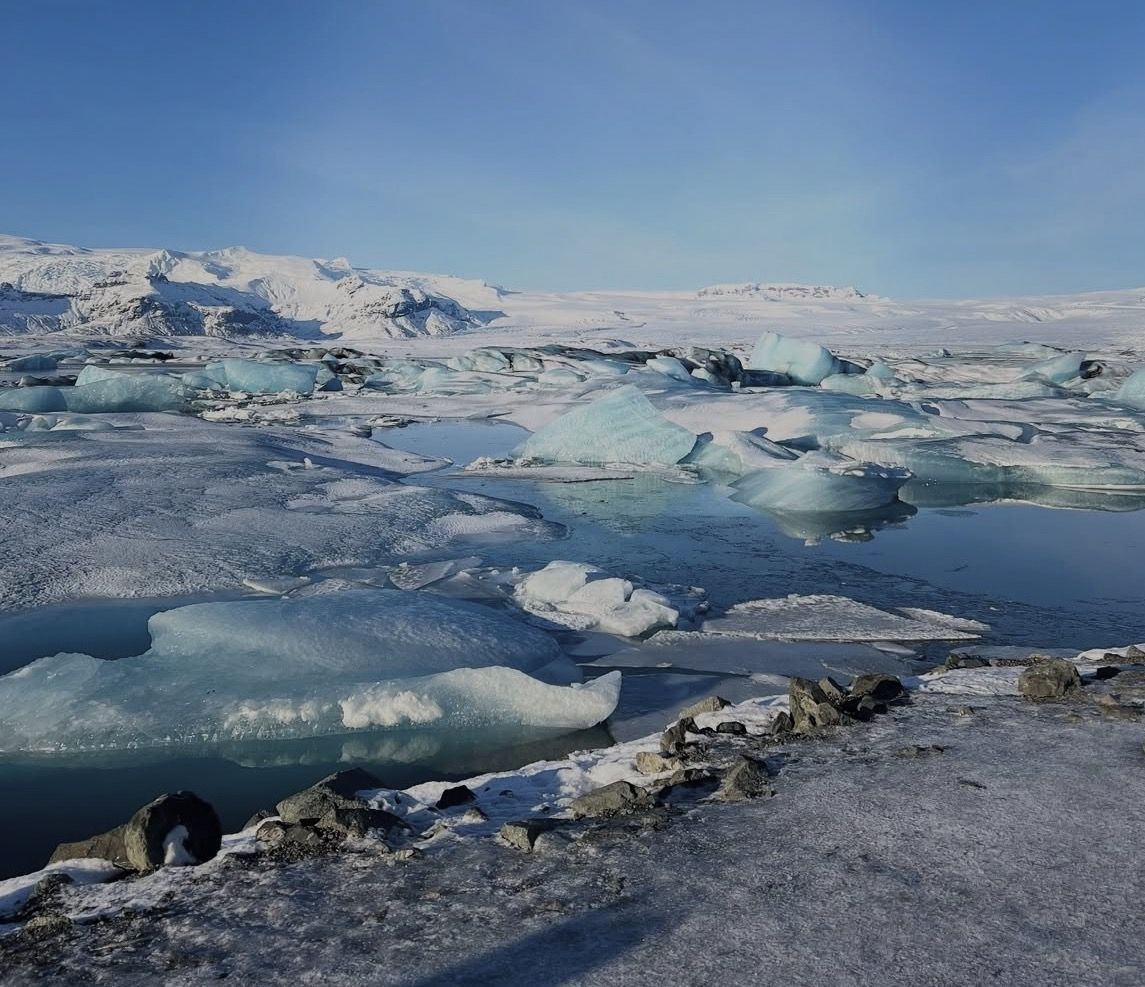
The lagoon rewards visitors in every season, but the experience differs dramatically depending on when you go. Summer (June–August) brings near-24-hour daylight, full boat tour operations, kayaking, and the best wildlife sightings. Winter (November–March) unlocks ice cave tours, reduced crowds, and the chance to catch the jokulsarlon glacier lagoon northern lights shimmering over the icebergs. Shoulder months — May and September — offer a sweet spot of fewer visitors and changeable but dramatic skies.
Iceland's southeast weather is notoriously unpredictable. Summer temperatures hover around 10–15°C (50–59°F), while winters drop to -5°C to -10°C (14–23°F) or lower with biting wind chill on the open lagoon shore. Rain and sudden fog can roll in at any time of year. The upside is that atmospheric weather often produces the most spectacular photography conditions, with storm light turning icebergs into glowing sculptures.
The single most important packing principle for this destination is layering. Even on a warm summer day, the wind off the lagoon and glacier can make it feel several degrees colder than the air temperature suggests. Waterproof outer layers are non-negotiable — spray from Zodiac boats and rain showers can soak you quickly. If you plan any winter activities, thermal base layers, insulated mid-layers, and a windproof shell are essential for comfort and safety.
Footwear matters enormously here. Waterproof hiking boots with ankle support are ideal for Diamond Beach and shoreline walks, while crampons (provided by guides) are required for any glacier hike. Boat tour participants should expect to get splashed, so keep electronics in dry bags. Photographers will want polarising filters to cut glare off the ice and a wide-angle lens to capture the lagoon's full scale.
Arrive early or stay late — the lagoon's light is most magical in the first and last hours of daylight, and you will share the shore with far fewer visitors. The café and amphibian boat dock can get busy between 10am and 3pm in summer, so booking boat tours online in advance is strongly recommended. Locals will tell you that patience is the greatest skill a visitor can cultivate here; icebergs shift, seals surface, and the light changes constantly.
The lagoon sits within a national park, so Leave No Trace principles apply strictly — never climb on icebergs, take no ice souvenirs, and stay on marked paths near the water's edge. The nearest town of any size is Höfn, about 79 km east, where you'll find supermarkets, petrol stations, and excellent fresh lobster restaurants. Card payments are accepted almost universally in Iceland; carrying cash is rarely necessary but a small amount is handy for smaller vendors.
The lagoon environment is breathtakingly beautiful but carries real hazards that demand respect. The water is glacially cold — survival time for an unprotected swimmer is minutes — so swimming is strictly prohibited and icebergs must never be climbed. All boat tours provide life jackets, and Zodiac passengers also receive dry suits. On the glacier, guides carry first-aid equipment and communication devices; never venture onto the ice without a certified guide.
Iceland's emergency number is 112 — save it before you travel. The nearest hospital is in Höfn (79 km east), and a medical clinic operates in Kirkjubæjarklaustur to the west. Travel insurance covering glacier and adventure activities is essential; standard travel policies often exclude these. Check weather and road conditions at vedur.is (weather) and road.is (road closures) every morning during your trip.
Explore More
Pair your lagoon visit with these spectacular nearby attractions along Iceland's South Coast.

The Reykjavik: Glacier Lagoon Boat Ride & South Coast Full Day Tour packs Iceland's most breathtaking scenery into a single, expertly guided adventure.
Check this tour →
The Original Ice Cave Tour in Jökulsárlón Glacier Lagoon takes you deep into the heart of Vatnajökull, Europe's largest glacier, for a guided hike across living ice.
Check this tour →
The Ice Exploration Tour from the Glacier Lagoon is your gateway to Iceland's most spectacular frozen wilderness.
Check this tour →
The Jokulsarlon Glacier Lagoon Kayaking and Falljokull Glacier Hike is a rare combination tour that lets you experience Iceland's frozen wonders from two completely different…
Check this tour →
The 3 Day Tour Jokulsarlon - Golden Circle - South Coast - Glacier Hike - Boat Tour is the ultimate way to experience southern Iceland without missing a single highlight.
Check this tour →
The Reykjavik: Glacier Lagoon & Fjaðrárgjúfur Canyon Small-Group Tour is the ultimate way to experience Iceland's raw, otherworldly beauty without the crowds.
Check this tour →
The 2-Day South Coast w/Glacier Hike & Jokulsarlon - Small Group Tour is one of Iceland's most complete adventures, combining a jokulsarlon glacier lagoon boat tour with a guided…
Check this tour →
The Glacier Combo Kayaking at Glacier Lagoon and Glacier Hike is the ultimate way to experience one of Iceland's most spectacular natural wonders.
Check this tour →Traveler Reviews
Travelers share their unforgettable experiences at Jokulsarlon Glacier Lagoon, Iceland's most breathtaking natural wonder.
"Visiting this place was without question the highlight of our entire Iceland trip. The icebergs floating silently across the lagoon ranged from deep cobalt blue to pure white, and some even had dark volcanic ash streaked through them. We took the amphibian boat tour, which got us surprisingly close to the ice — our guide was knowledgeable and pointed out seals resting nearby. I cannot recommend this experience highly enough to anyone traveling the Ring Road."
"We drove down from Reykjavik specifically for the winter tour and it was worth every kilometer of the journey. Seeing the northern lights reflected on the still, dark water surrounded by glowing icebergs was something I genuinely struggle to put into words. Our guide kept us informed about safe viewing spots and the best angles for photography. This is one of those places that actually exceeds all the hype."
"A truly spectacular destination that I'd encourage everyone to spend more time at than they think they need. We combined it with a visit to Diamond Beach just across the road, where chunks of ice glitter on black volcanic sand — utterly surreal. The only reason I'm giving four stars is that the parking area gets very busy in peak summer, so arriving early makes a real difference. Still, the scenery itself is absolutely world-class and the boat tours are excellent value."
"We joined a guided tour from Reykjavik that included the lagoon as its centerpiece stop, and I'm so glad we didn't try to navigate it alone on our first Iceland trip. The guide explained how the Breiðamerkurjökull glacier has been retreating for decades, which gave real context to what we were seeing. Watching icebergs that are over a thousand years old drift past you is humbling in the most profound way. Absolutely a five-star experience from start to finish."
"I came specifically for the ice cave tour in winter and it completely blew my expectations out of the water. The blue ice formations inside Vatnajökull were otherworldly — like being inside a sapphire cathedral. Our small group spent nearly two hours exploring with crampons and helmets, guided by a very experienced local. Combining the ice cave with an afternoon at the lagoon made for one of the most memorable days of my life."
"We kayaked here during a calm summer morning and the experience was genuinely peaceful and magical — gliding silently between icebergs while Arctic terns swooped overhead. The kayak guides were safety-conscious and gave a great briefing before we set off, which put even the nervous paddlers in our group at ease. I'd strongly suggest booking kayaking well in advance as slots fill up fast in June and July. Minus one star only because the weather turned on us mid-paddle, but that's Iceland for you!"
"The sunset here is one of the most photographed sights in Iceland and honestly — now I understand why. We arrived around 9 PM in late August when the sky turned shades of amber and pink, casting a warm glow across the icebergs, and the reflections on the lagoon were simply extraordinary. We spent well over an hour just standing there in silence, taking it all in. If you're visiting in summer, please stay for the golden hour — you will not regret it."
"We hiked along the edge of the lagoon in late September and the autumn light gave everything an almost dreamlike quality. The trail offers fantastic elevated views over the water and you can clearly see the glacier in the distance still calving fresh icebergs into the lake. We spotted several seals on the ice and a pair of skuas circling overhead, which made it feel genuinely wild and remote. This is a place that stays with you long after you've returned home."
Watch Before You Go
See the icebergs, the aurora, and the ice caves in stunning video before you plan your trip.
Location
Jökulsárlón Glacier Lagoon is located directly on Route 1 (Ring Road) in Southeast Iceland, within Vatnajökull National Park, approximately 380 km east of Reykjavík.
FAQ
Everything you need to know before planning your visit to Jokulsarlon Glacier Lagoon, answered by our travel experts.
Ready to witness Iceland's most spectacular natural wonder for yourself?
Book Your TourDiscover More
What is today a vast, iceberg-dotted lake was barely a puddle a century ago — the lagoon has formed almost entirely within living memory as Breiðamerkurjökull glacier retreated northward at an accelerating pace. Understanding this geological youth makes the view from the shore even more astonishing, and raises urgent questions about what this landscape will look like in another hundred years.