Meno di un secolo fa il ghiacciaio arrivava quasi al mare. Ecco come si è formata la laguna, perché continua a crescere e come è diventata uno dei luoghi più conosciuti dell'Islanda.
Jökulsárlón è alimentata da Breiðamerkurjökull, un ghiacciaio di sbocco del Vatnajökull, la calotta glaciale più grande dell'Islanda. Per secoli la lingua del ghiacciaio è arrivata quasi fino alla costa, e il terreno dove oggi si trova la laguna era sotto il ghiaccio. Alla fine del XIX secolo il ghiacciaio ha iniziato a ritirarsi.
Mentre il ghiacciaio si ritirava, l'acqua di disgelo ha riempito la depressione lasciata dietro di sé, e negli anni 1930 è apparso un piccolo lago. Il nome significa 'laguna del fiume glaciale'. Da allora è cresciuta: nel 1975 coprivα circa 8 km², e oggi è più del doppio di quella dimensione. Con profondità fino a 284 m, è il lago più profondo dell'Islanda, e tutto questo è accaduto nell'arco di una sola vita.
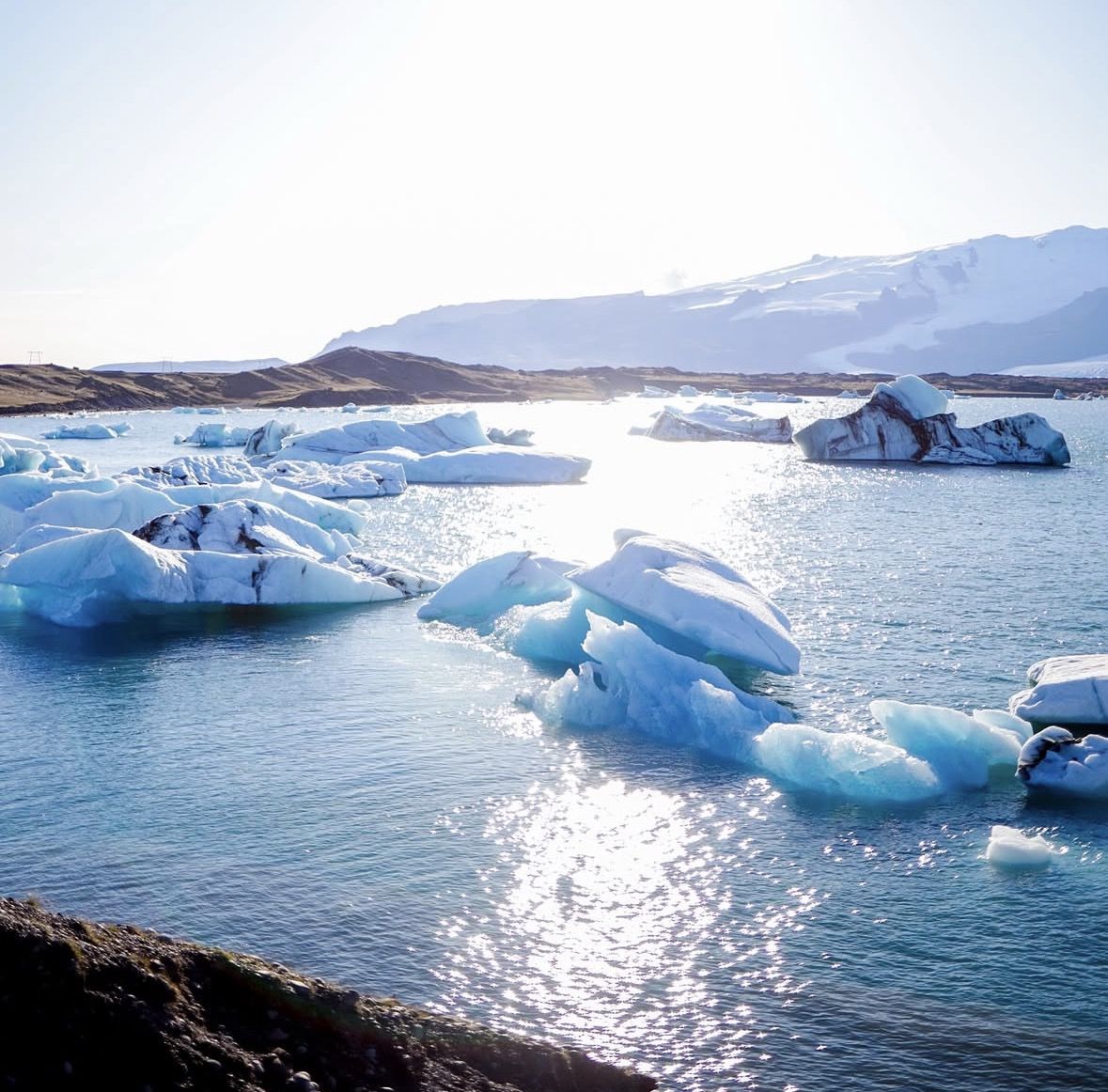
Gli iceberg si staccano dal fronte del ghiacciaio e attraversano la laguna fino al mare, che raggiungono tramite un breve canale fluviale sotto la Ring Road. Alcuni sono grandi come case. Il colore blu deriva dal ghiaccio glaciale compatto, che assorbe la luce rossa; le striature scure sono cenere vulcanica di antiche eruzioni sotto il Vatnajökull. La marea sposta il ghiaccio avanti e indietro, per cui il panorama cambia di ora in ora.
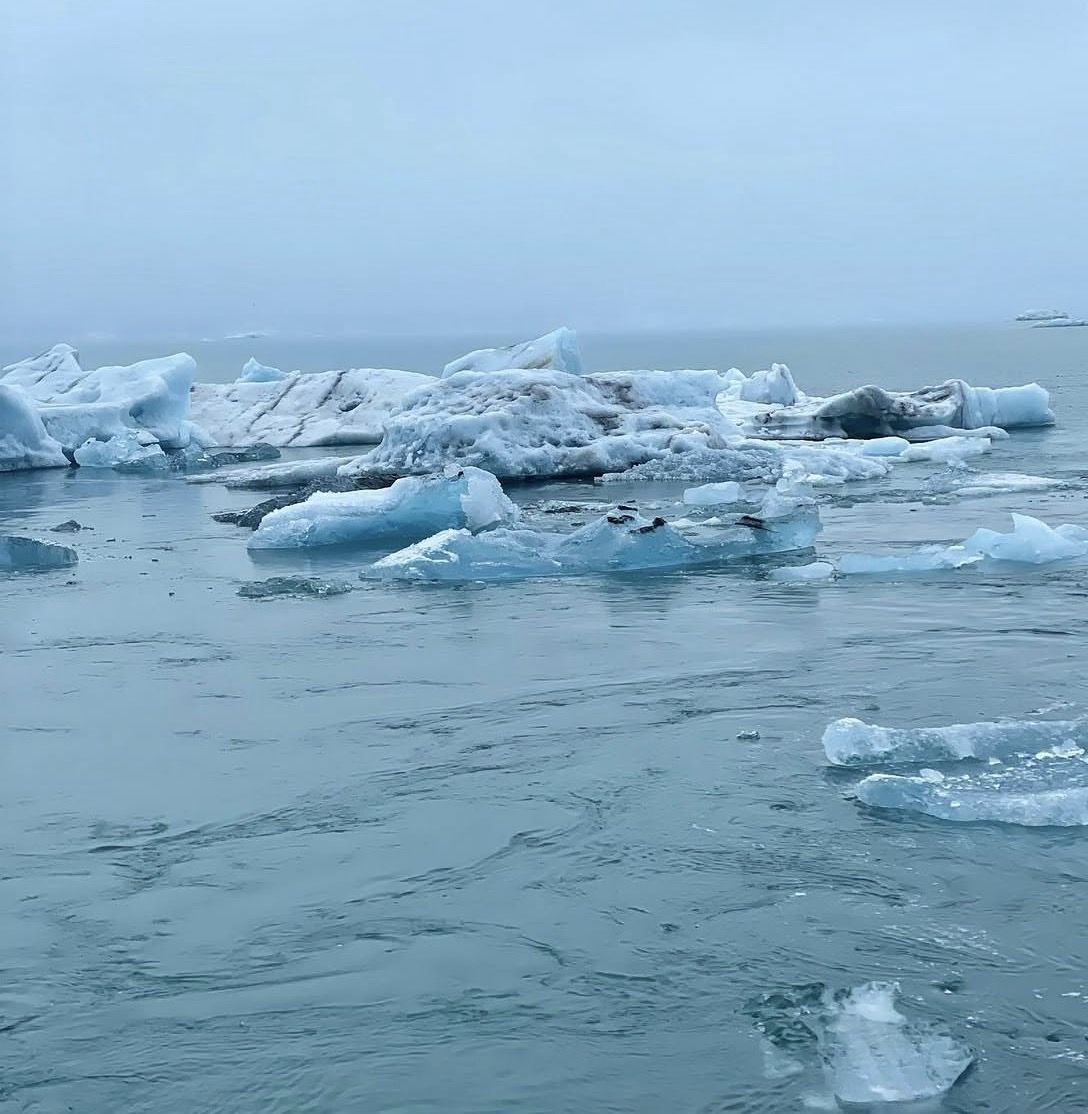
Le foche sono l'animale che la maggior parte dei visitatori spera di avvistare. Le foche si riposano sul ghiaccio, e in inverno si riuniscono in gran numero alla foce della laguna per catturare i pesci. Breiðamerkursandur, la pianura intorno alla laguna, è un'importante area di nidificazione per stercorario maggiore, strolaga minore, oca selvatica e oca facciabianca, per questo il parco nazionale chiede di restare sui sentieri segnalati in estate.
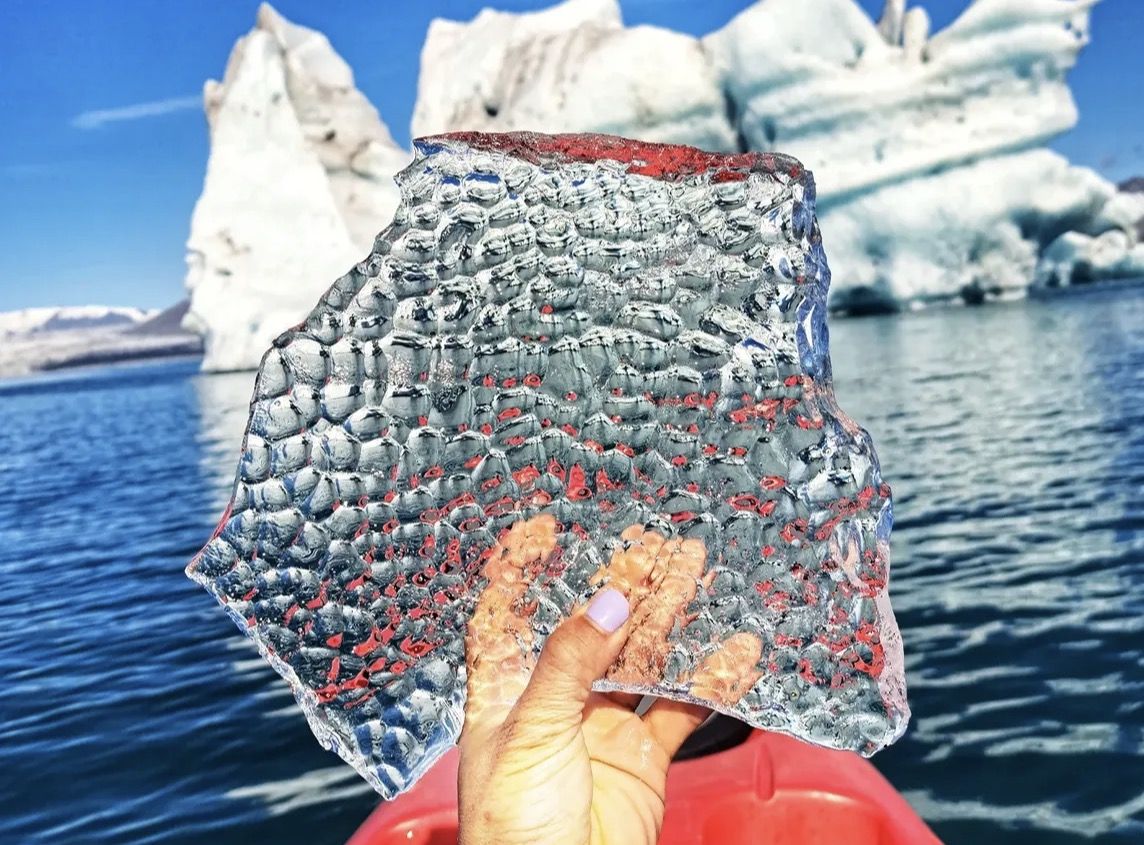
Dall'altro lato della strada, il ghiaccio che è stato portato al largo torna sulla sabbia nera di Fellsfjara, la spiaggia conosciuta come Spiaggia dei Diamanti. Il ghiaccio trasparente sulla sabbia nera di basalto attira i fotografi all'alba e al tramonto, e la quantità di ghiaccio presente cambia di giorno in giorno.
Le troupe cinematografiche sono arrivate presto. Scene di A View to a Kill (1985), Lara Croft: Tomb Raider (2001), Die Another Day (2002), Batman Begins (2005) e Beowulf and Grendel (2005) sono state girate sulla laguna e nei suoi dintorni, e da allora la pubblicità l'ha utilizzata molte volte.
La laguna è anche una delle testimonianze più chiare del ritiro dei ghiacciai in Islanda. Il parco nazionale osserva che in nessun altro luogo i cambiamenti dei ghiacciai sono più facili da osservare che a sud del Vatnajökull, e la crescita della laguna dagli anni 1930 è quel cambiamento visibile direttamente.
I tour in barca sulla laguna si svolgono da più di 35 anni. Poiché la Ring Road passa proprio accanto ad essa, la laguna è diventata una tappa fissa in qualsiasi giro dell'Islanda, ed è oggi uno dei luoghi più visitati del paese. Nel 2017 il territorio circostante è entrato a far parte del Parco Nazionale del Vatnajökull, che gestisce i parcheggi e i sentieri segnalati.
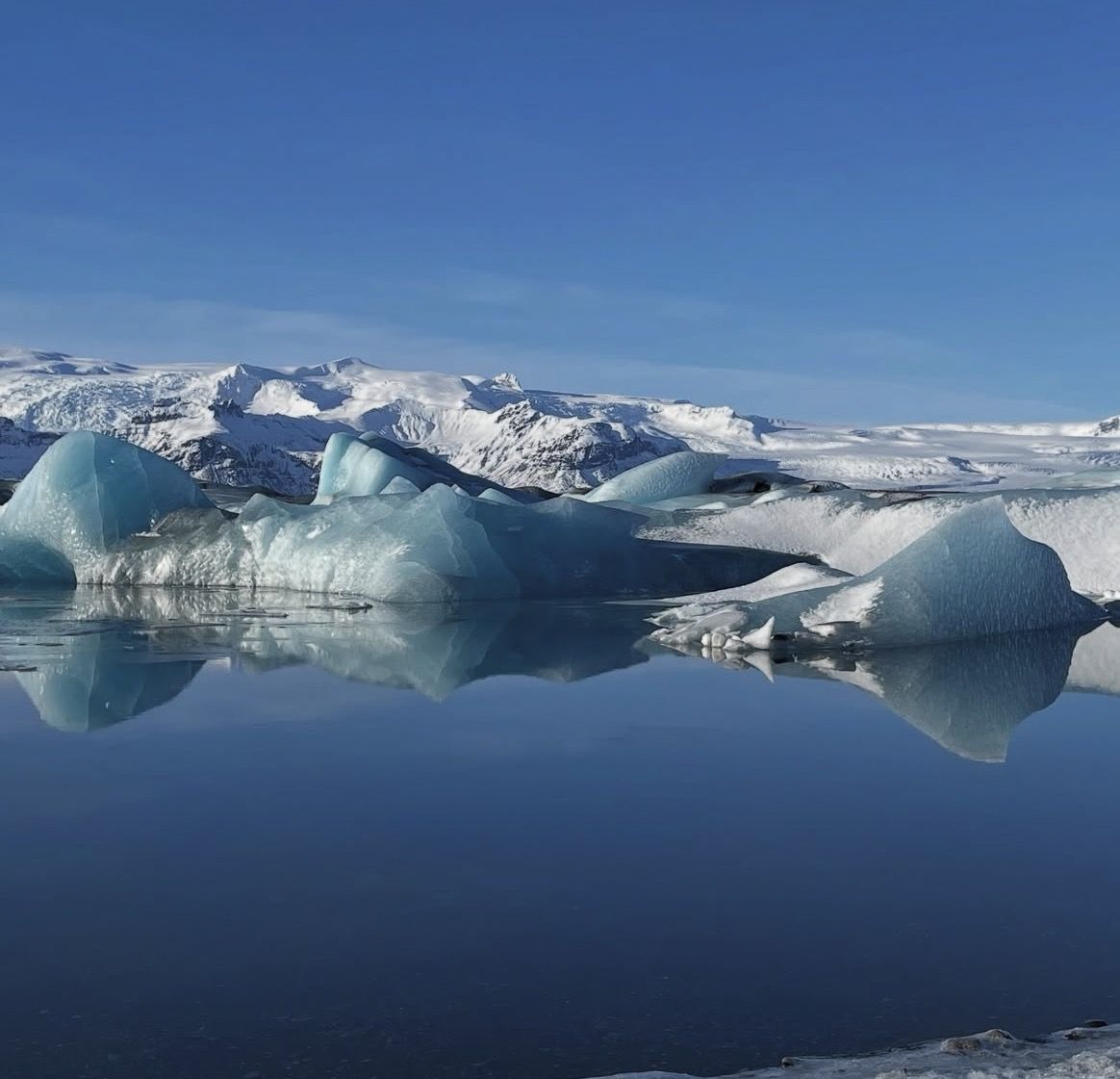
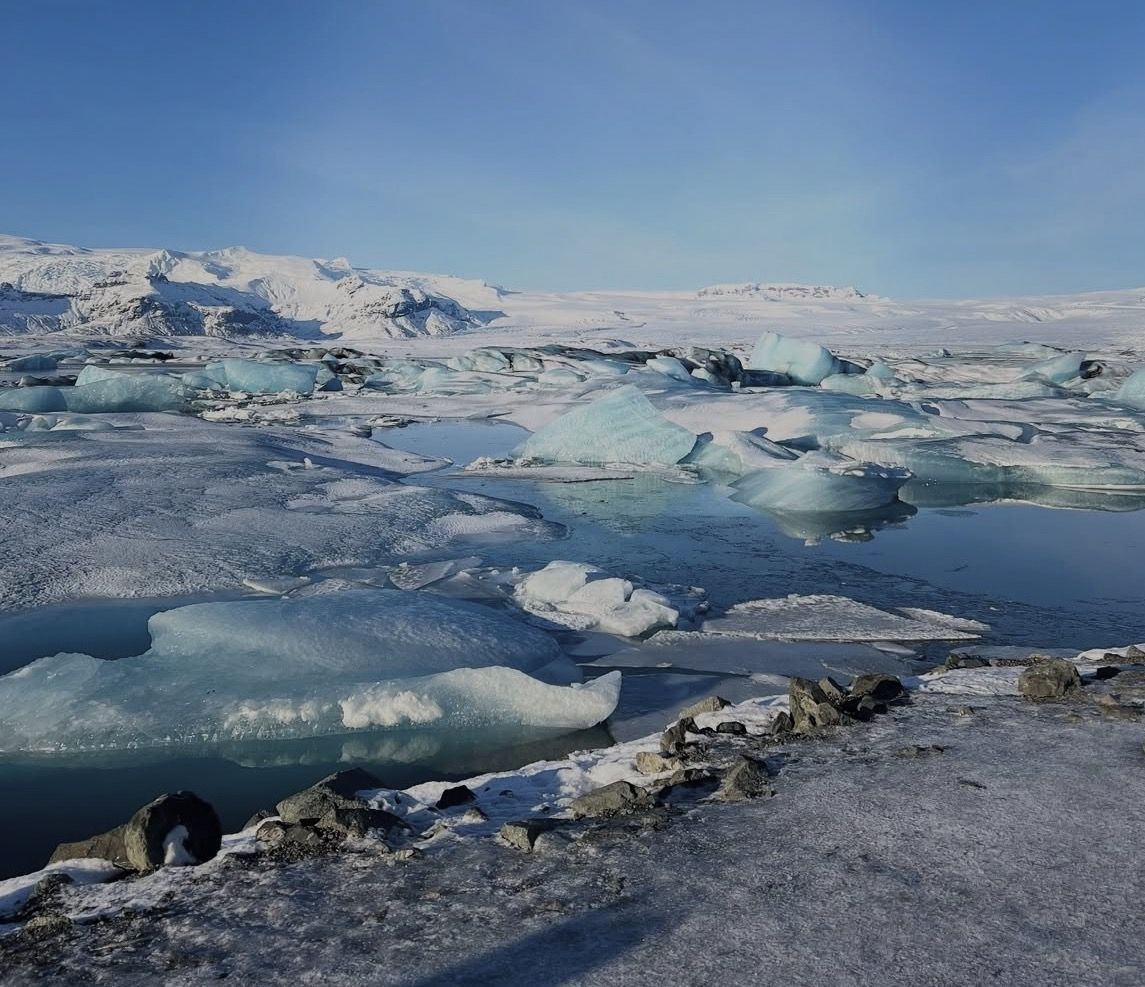
Le misurazioni mostrano che il ritiro sta accelerando. Dove il ghiacciaio termina nella laguna, gli iceberg si staccano dal suo fronte, e questo fronte di distacco si è ritirato molto più velocemente dei margini del ghiacciaio sulla terraferma. Oggi il fronte si trova a circa 8 km dal mare.
| Periodo | Ritiro medio |
|---|---|
| 1945–1965 (lobo occidentale) | circa 62,5 m all'anno |
| 1980–1998 (lobi orientale e centrale) | circa 28 m all'anno |
| 2011–2013 (fronte di distacco) | circa 100 m all'anno |
| Anni recenti (fronte di distacco) | fino a 200–300 m all'anno |
I visitatori sono aumentati insieme alla laguna. Solo nel luglio 2025 sono arrivate circa 100.000 persone, secondo i dati riportati da Iceland Review. Le guardie del parco nazionale conducono in estate una passeggiata gratuita giornaliera, Oro Blu, alle 11:00 dalle panchine vicino al parcheggio principale, proprio su questo tema: come il ritiro del ghiacciaio ha cambiato il paesaggio.
Il ghiacciaio continua a produrre nuovi iceberg, per cui la laguna non ha mai lo stesso aspetto due volte. Si possono percorrere i sentieri lungo la riva, uscire con il battello anfibio o il Zodiac da maggio fino all'autunno, e in inverno partecipare a un'escursione guidata nelle grotte di ghiaccio del Breiðamerkurjökull. Nelle notti d'inverno limpide a volte l'aurora boreale appare sopra l'acqua.
Se si percorre la Ring Road, è bene prevedere almeno due ore qui; se si parte da Reykjavík, un tour di un giorno porta andata e ritorno. Le pagine sui tour in barca, le grotte di ghiaccio e il parcheggio riportano i dettagli pratici.
Visitare la laguna
Gite in barca, escursioni alle grotte di ghiaccio e tour di un giorno da Reykjavík, confrontati fianco a fianco con le rispettive stagioni e durate.
Confrontare i tour →